Armand Trousseau was born in Tours on 14 October 1801. A physician and clinical teacher, he gave his name to several signs and syndromes. This date marks his birth, not the description of those observations.
Dutch physician and psychiatrist Rudolf Adriaan Mees was born on 14 October 1873 in Deventer. His name is associated with transverse white nail bands described in his observations of arsenic poisoning, published in 1919.
Sydney Ringer died on 14 October 1910. The British clinician, physiologist and pharmacologist studied the effects of mineral salts on the heart. The solution named after him belongs to that experimental history; its formulation predates his death.
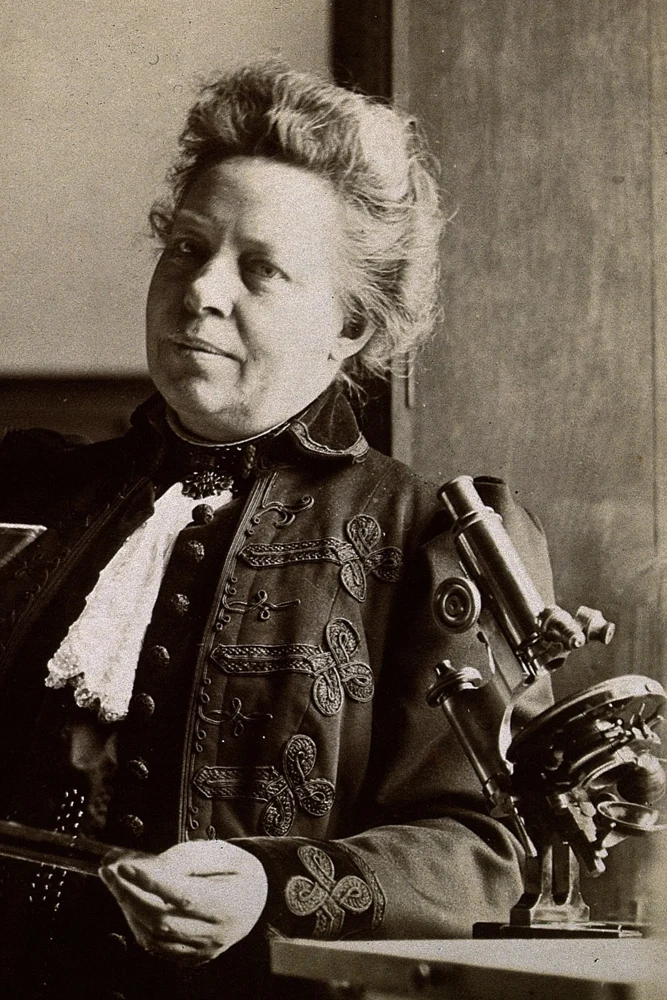
Augusta Déjerine-Klumpke · portrait of unknown date; cropped source version preserved by Commons.Credit and rights
Auteur inconnu / Wellcome Collection / Wikimedia Commons · CC BY 4.0 · source déjà recadrée ; redimensionnement proportionnel et conversion WebP par MICA.
Augusta Déjerine-Klumpke was born on 15 October 1859. The neurologist is associated with the history of brachial plexus research and the palsy named after her. Her birthday is distinct from the description published in 1885.
American physician Edwin Allen Locke was born on 15 October 1874. His name appears in the history of cardiac examination through the Cabot-Locke eponym. The date shown here is his birthday.
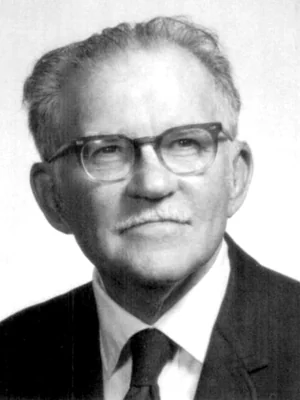
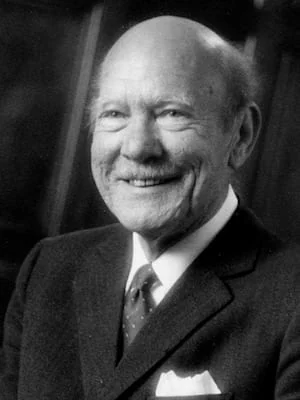
Leo George Rigler · historical portrait, date unspecified.Credit and rights
LITFL · notice de Caitlin Rigler et Mike Cadogan ; photographe non précisé par la notice · CC BY-NC-SA 4.0 · licence annoncée par LITFL. Usage pédagogique non commercial ; conversion WebP et redimensionnement proportionnel, sans recadrage ni retouche du visage.
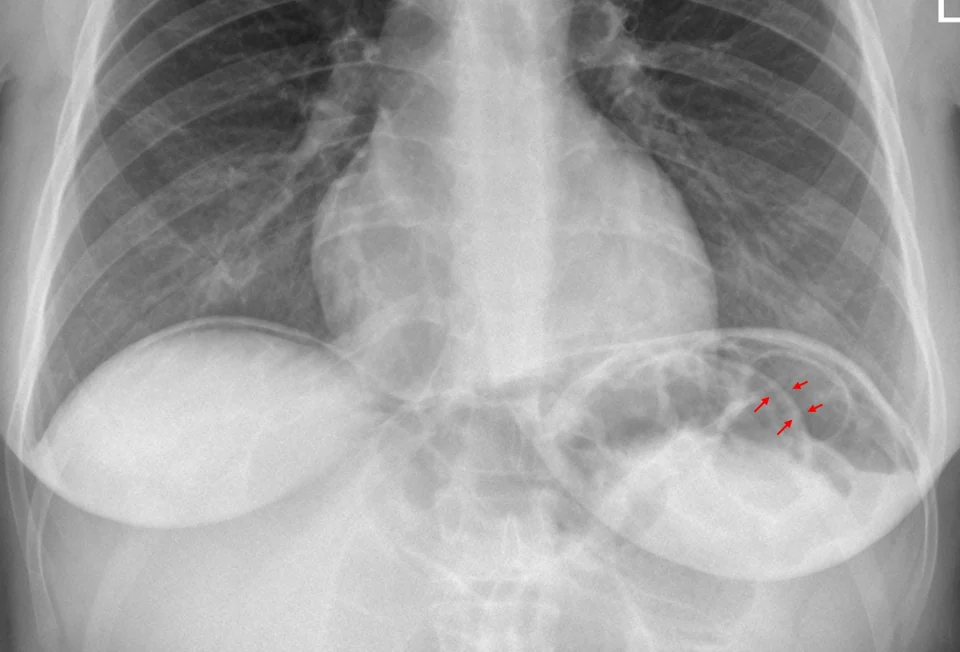
Original source · LicenceHis contribution to radiology: Rigler’s sign, illustrated on a 2015 radiograph.Credit and rights
Hellerhoff / Wikimedia Commons · CC BY-SA 3.0 Unported · Redimensionnement proportionnel et conversion WebP, cadre complet conservé. Aucune retouche générative.
American radiologist Leo George Rigler was born on 16 October 1896. His name appears in several milestones of radiology, including Rigler’s sign and triad. This date records his birth, separately from later publications.
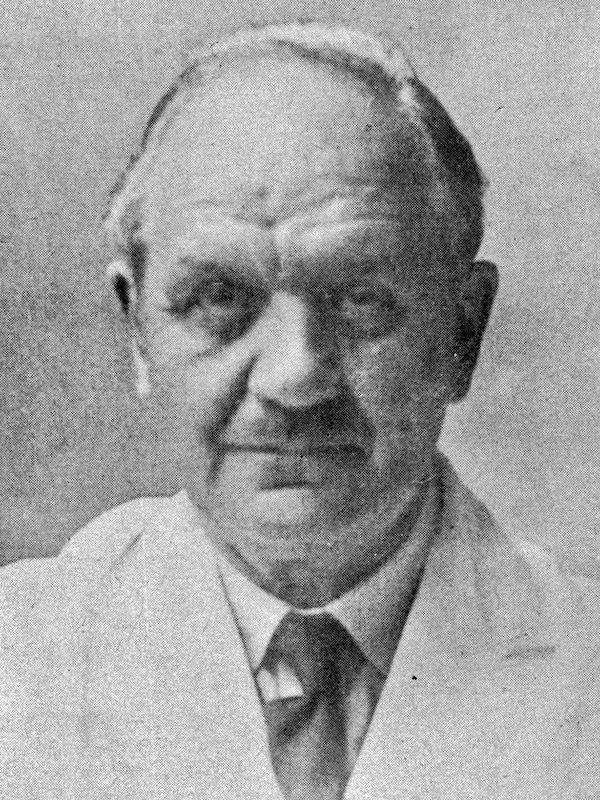
Robert Symon Garden · historical portrait, date unspecified.Credit and rights
LITFL · notice de Mike Cadogan ; photographe non précisé par la notice · CC BY-NC-SA 4.0 · licence annoncée par LITFL. Usage pédagogique non commercial ; conversion WebP et redimensionnement proportionnel, sans recadrage ni retouche du visage.
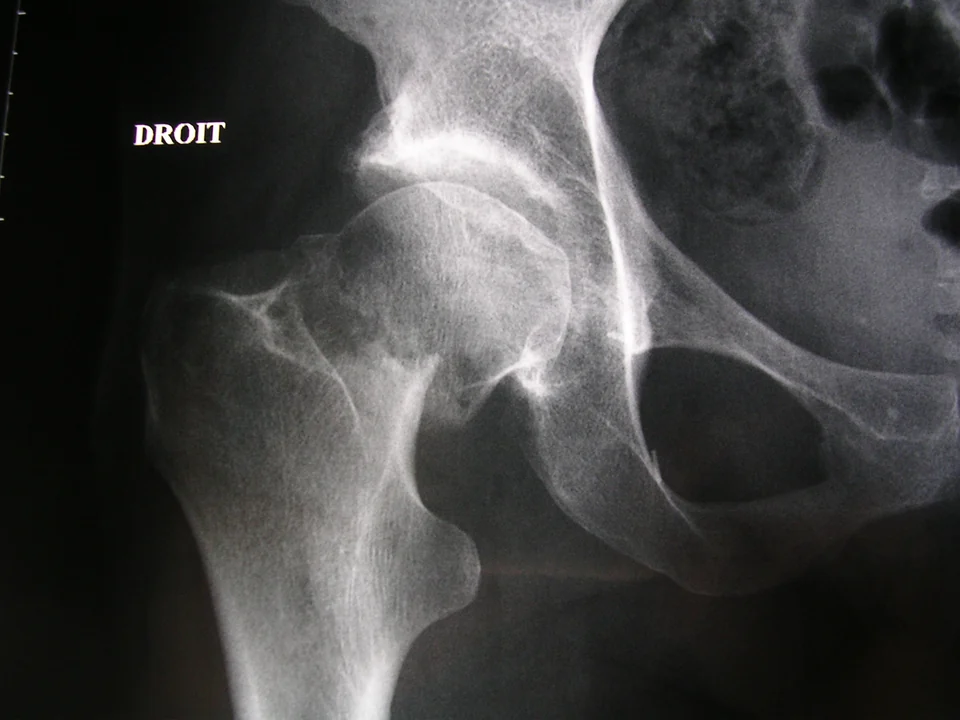
Original source · LicenceHis contribution to orthopaedics: the classification of femoral neck fractures. Garden IV example; source shared in 2006.Credit and rights
Emmanuel UCLA (Eucla) / Wikimedia Commons · CC BY-SA 3.0 Unported · Redimensionnement proportionnel et conversion WebP, cadre complet conservé. Aucune retouche générative.
Scottish orthopaedic surgeon Robert Symon Garden died on 16 October 1982. His name is associated with a hip fracture classification published in 1961. This milestone marks his death, not the creation of that classification.
Scottish physician and anatomist Matthew Baillie is born in Shotts. His 1793 treatise The Morbid Anatomy describes diseased organs and contributes to the development of pathological anatomy.
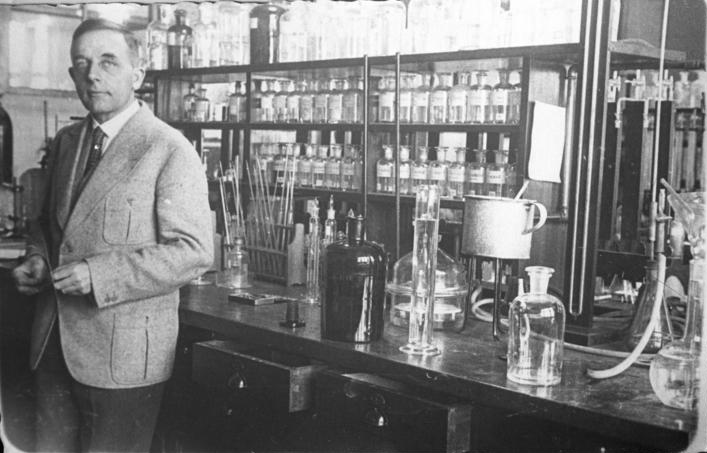
Born on 8 October 1883 in Freiburg, Otto Heinrich Warburg received the 1931 medicine Nobel for research on the respiratory enzyme. His birth, award and tumour-metabolism research are separate landmarks.
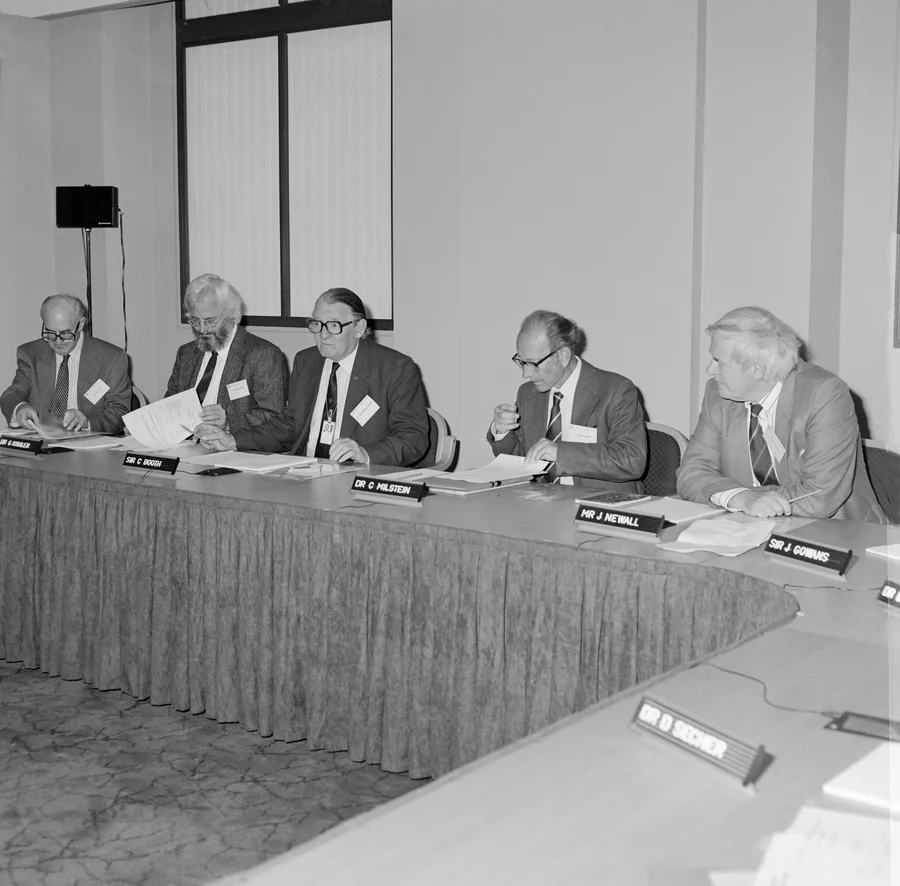
Read the story →César Milstein among participants at the “Monoclonal Antibodies” seminar, 24 September 1993.Source & licence
History of Modern Biomedicine Research Group / Wellcome Library / Wikimedia Commons
César Milstein was born on 8 October 1927 in Bahía Blanca, Argentina. With Georges Köhler, he developed hybridoma technology in 1975, before sharing the 1984 medicine Nobel with Köhler and Niels Kaj Jerne.
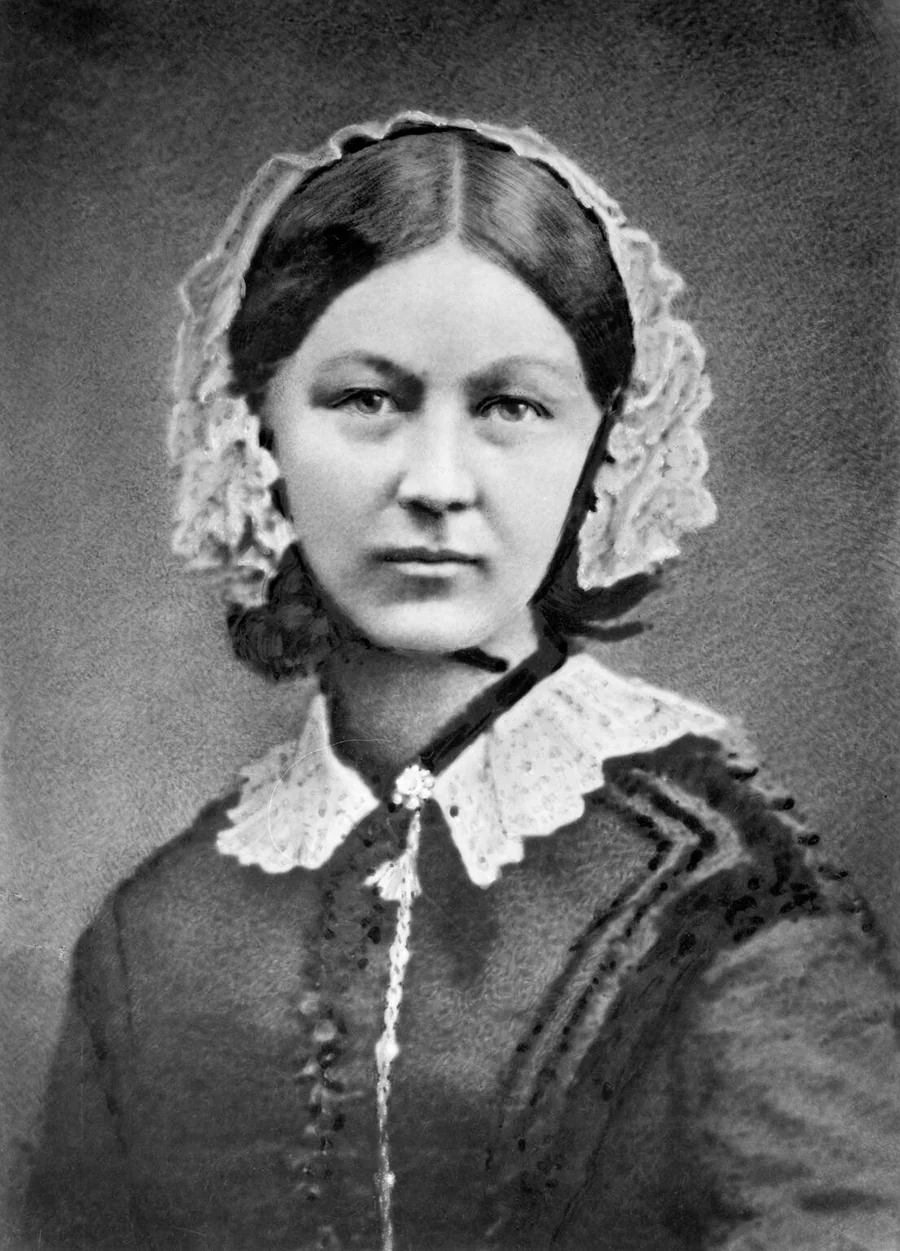
Read the story →Florence Nightingale, circa 1860; photograph by Henry Hering.Source & licence
Henry Hering (1814–1893) / National Portrait Gallery, Londres, NPG x82368 / Wikimedia Commons
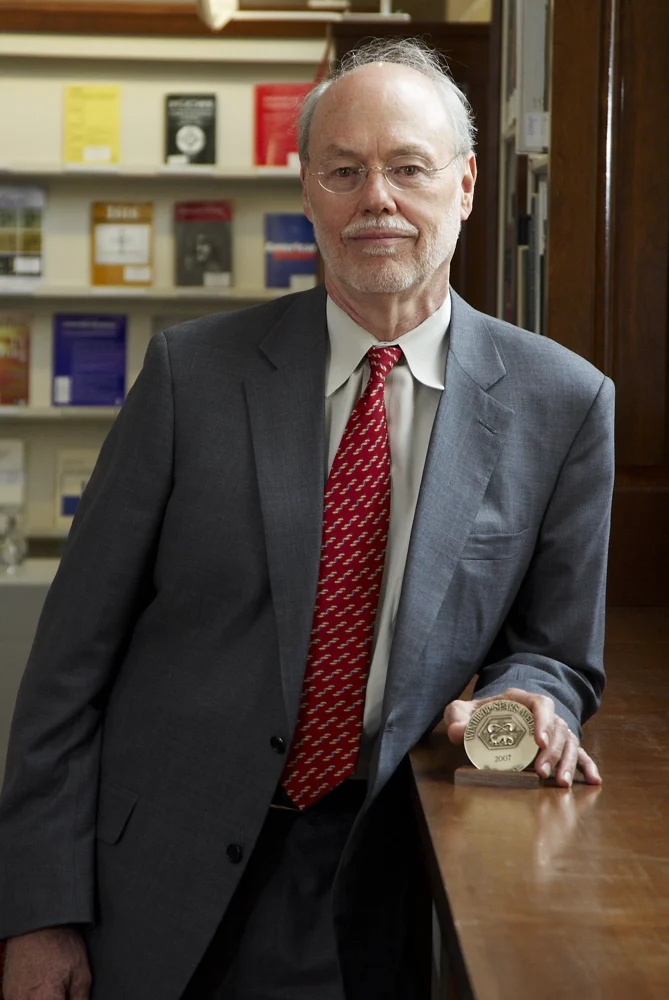
On 11 October 1993, Richard J. Roberts and Phillip A. Sharp were recognised for a 1977 discovery: some genes do not form one uninterrupted coding sequence.
Read the story →Günter Blobel at the MPI-CBG symposium in 2008; later portrait, not the 1999 announcement.Source & licence
Masur / Wikimedia Commons ; version recadrée et retouchée déposée par Frze en 2017
On 11 October 1999, the medicine Nobel was announced for Günter Blobel: proteins carry signals that help determine their transport and location within a cell.